Managed Detection and Response (MDR): A Complete Guide to Modern Cybersecurity
Cyber threats are increasing in complexity, making traditional security tools insufficient for modern organizations. Managed Detection and Response (MDR) has emerged as a critical cybersecurity solution that provides real-time threat detection, 24/7 monitoring, and rapid incident response.
With CyberDisti, the best cybersecurity distributor, businesses can leverage advanced MDR services to proactively detect and respond to cyber threats, ensuring stronger protection across endpoints, networks, and cloud environments.
As businesses increasingly rely on digital systems and cloud infrastructure, MDR is becoming a critical component of modern cybersecurity strategies.
What Is Managed Detection and Response (MDR)?
Managed Detection and Response (MDR) is a cybersecurity service designed to detect, investigate, and respond to cyber threats across an organization’s IT environment.
Unlike traditional security solutions that only generate alerts, MDR combines advanced threat detection technology with cybersecurity experts who actively analyze suspicious activities and respond to incidents. This proactive approach helps organizations identify threats earlier and reduce the potential impact of cyberattacks.
MDR solutions typically monitor multiple components of an organization’s infrastructure, including:
Endpoints and workstations
Network traffic
Servers and data centers
Cloud environments
User access and identity systems
By analyzing security data from these sources, MDR platforms can detect unusual patterns or behaviors that may indicate malicious activity.
Why Businesses Need MDR Cybersecurity Services
The modern threat landscape has become increasingly complex. Cybercriminals are using sophisticated techniques to bypass traditional security tools, making it difficult for organizations to detect attacks quickly.
One major challenge many security teams face is alert fatigue. Security tools generate thousands of alerts daily, and identifying genuine threats among them can be difficult. Important warnings may be missed, allowing attackers more time to operate within the network.
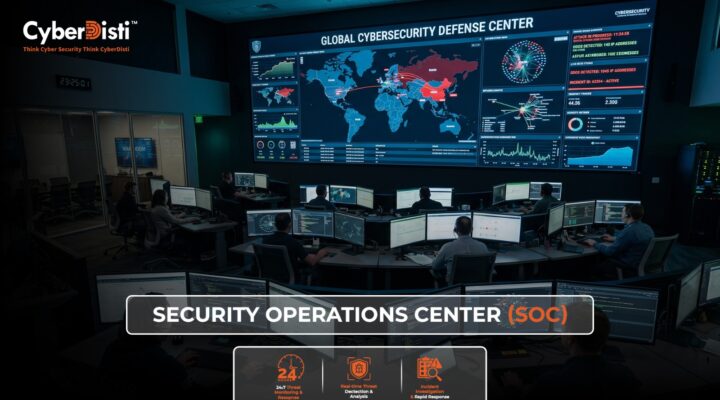
Another challenge is the shortage of skilled cybersecurity professionals. Building and maintaining a Security Operations Center (SOC) requires significant investment in technology and expertise.
Managed Detection and Response services help organizations overcome these challenges by providing access to advanced detection tools and experienced security analysts without the need to build a full internal security team.
How Managed Detection and Response Works
MDR solutions collect and analyze security data from multiple sources within an organization’s environment. This includes endpoint activity, network behavior, user actions, and cloud infrastructure.
Advanced analytics, machine learning, and threat intelligence are used to identify suspicious patterns that may indicate a potential cyberattack.
When a threat is detected, cybersecurity analysts investigate the alert to determine whether it represents a real security incident. If malicious activity is confirmed, the MDR team takes immediate action to contain the threat.
Typical response actions may include:
Isolating compromised devices
Blocking malicious processes
Preventing suspicious network connections
Removing malware
Guiding organizations through remediation steps
This combination of automation and human expertise allows MDR to detect and respond to threats faster than traditional security approaches.
Key Benefits of Managed Detection and Response
Organizations adopting MDR security services gain several important advantages that strengthen their cybersecurity posture.
24/7 Threat Monitoring
Cyber threats can occur at any time. MDR provides continuous monitoring, ensuring potential threats are detected and investigated immediately.
Faster Incident Response
Early detection is critical in cybersecurity. MDR reduces the time it takes to identify and contain threats, limiting potential damage.
Access to Cybersecurity Experts
MDR services give organizations access to experienced security professionals who specialize in threat detection, analysis, and response.
Proactive Threat Hunting
Many MDR providers actively search for hidden threats that may already exist within a network. This proactive approach helps uncover sophisticated attacks.
Reduced Operational Complexity
Managing multiple security tools can be challenging. MDR solutions centralize monitoring and response processes, simplifying security operations.
MDR vs Traditional Managed Security Services
Managed Detection and Response is often compared with Managed Security Service Providers (MSSPs). While both offer outsourced security monitoring, MDR provides a more proactive approach.
Traditional MSSPs typically monitor alerts and notify organizations when suspicious activity occurs. MDR services go further by investigating alerts, validating threats, and actively responding to incidents.
This proactive approach helps organizations respond to threats faster and reduce the risk of major data breaches.
Who Should Use MDR Solutions?
Managed Detection and Response services can benefit organizations of all sizes. Large enterprises often use MDR to enhance their existing security operations, while small and mid-sized businesses rely on MDR as a cost-effective way to improve their cybersecurity defenses.
Industries that handle sensitive data—such as healthcare, finance, government, and technology—are particularly vulnerable to cyberattacks. However, any organization that relies on digital infrastructure can benefit from MDR cybersecurity services.
The Future of Cybersecurity with MDR
As organizations continue to adopt cloud technologies, remote work environments, and connected devices, the number of potential attack points continues to grow. Cybersecurity strategies must evolve to address these challenges.
Modern security frameworks emphasize continuous monitoring, advanced threat detection, and rapid response. Managed Detection and Response plays a key role in achieving these goals.
By combining advanced technology with human expertise, MDR helps organizations detect threats earlier, respond faster, and strengthen their overall security posture.